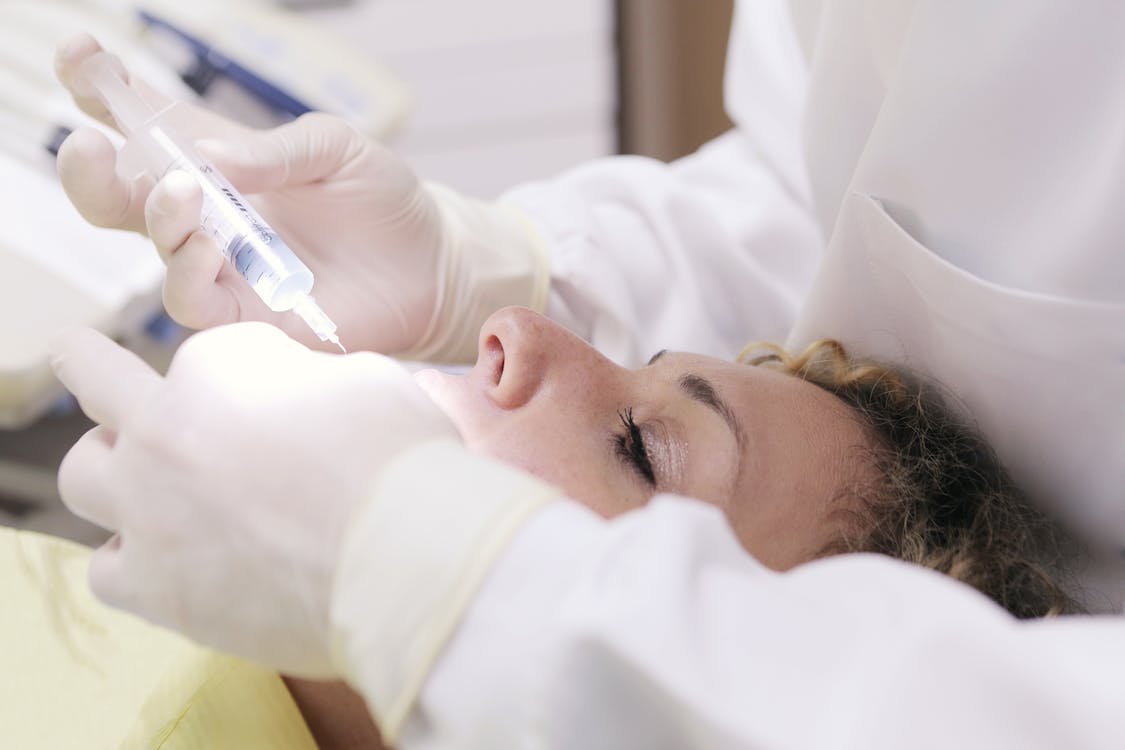
Tooth Sensitivity Treatment in Townsville at a Glance
| Item | Detail |
|---|---|
| Cost (assessment + treatment) | $100–$400 |
| Cost (desensitising application) | $50–$150 |
| Cost (filling/bonding if cause is exposed root) | $150–$500 |
| Cost (gum graft if recession) | $800–$2,500 |
| Common causes | Worn enamel, exposed roots, decay, cracked tooth |
| First step | Diagnose why — treatment depends on the cause |
| At-home help | Desensitising toothpaste, soft brush |
| Health fund rebate | Diagnostic + restorative care partly rebated by extras |
Quick Answer: Tooth sensitivity treatment in Townsville costs between $100 and $400 in 2026, depending on the cause. A simple in-chair desensitising application (fluoride varnish or sealant) is $50–$150, while sensitivity from an exposed root or small cavity may need a filling or bonding ($150–$500). Sensitivity from significant gum recession can require a gum graft ($800–$2,500). Because sensitivity has many causes — worn enamel, exposed roots, decay, or a cracked tooth — the dentist first diagnoses the source. Diagnostic and restorative care is usually partly rebated by extras dental cover via HICAPS.
Sources: Australian Dental Association (ADA) fee guidance; Journal of Clinical Periodontology.
How Much Does Sensitivity Treatment Cost in Townsville?
Cost depends entirely on the underlying cause found at assessment. The ranges below reflect 2026 North Queensland fees.
| Cause | Treatment | Cost (AUD) |
|---|---|---|
| Mild/general | Desensitising application | $50–$150 |
| Exposed root / small cavity | Filling or bonding | $150–$500 |
| Worn enamel | Bonding / onlay | $200–$1,800 |
| Gum recession | Gum graft | $800–$2,500 |
| Cracked tooth | Crown ± root canal | $1,200–$4,000 |
Most clinics process HICAPS on the spot. See gum grafting, dental bonding, and cracked tooth.
What Is Tooth Sensitivity?
Tooth sensitivity, clinically known as dentine hypersensitivity, is a sharp, transient pain in one or more teeth triggered by hot, cold, sweet, or acidic stimuli, or even cold air, affecting patients across Townsville and North Queensland. It occurs when the dentine layer beneath the enamel becomes exposed, allowing stimuli to reach the nerve-rich pulp through microscopic tubules. According to a systematic review in the Journal of Clinical Periodontology, dentine hypersensitivity affects approximately one in three adults globally, with Australian prevalence rates ranging from 25 to 35 per cent. The Australian Dental Association (ADA) identifies tooth sensitivity as one of the most common complaints reported during routine checkups. While sensitivity is often manageable, persistent or worsening symptoms can indicate underlying conditions such as enamel erosion, gum recession, cracked teeth, or decay requiring professional assessment and treatment.
What Causes Tooth Sensitivity?
Understanding the cause is essential for effective treatment. The most common causes include:
- Enamel erosion — acidic foods, drinks (citrus, soft drinks, wine), and acid reflux gradually dissolve protective enamel
- Gum recession — receding gums expose the root surface, which lacks the protective enamel covering
- Aggressive brushing — using a hard-bristled toothbrush or excessive force wears down enamel and irritates gums
- Teeth grinding (bruxism) — chronic clenching and grinding wears enamel and can crack teeth
- Cracked or chipped teeth — damage to tooth structure exposes dentine or pulp
- Tooth decay — cavities that penetrate the enamel and reach the dentine
- Recent dental procedures — temporary sensitivity after fillings, crowns, or whitening is common and typically resolves within days to weeks
- Worn or leaking restorations — old fillings that no longer seal properly
How Is Tooth Sensitivity Diagnosed?
1. Symptom Discussion
Your dentist will ask about the location, triggers, duration, and severity of your sensitivity to narrow down the likely cause.
2. Clinical Examination
A thorough examination of your teeth and gums checks for visible signs of enamel erosion, gum recession, cracks, decay, and worn restorations.
3. Sensitivity Testing
Targeted application of cold air or cold water to specific teeth helps identify exactly which teeth are affected and how they respond.
4. Digital Imaging
X-rays may be taken to check for decay, cracks below the gum line, or bone loss that is not visible during the clinical examination.
What Treatment Options Are Available?
| Treatment | How It Works | Best For | Approximate Cost |
|---|---|---|---|
| Desensitising toothpaste | Blocks nerve signals in dentine tubules over time | Mild, generalised sensitivity | $10–$20 (over the counter) |
| Professional fluoride application | Strengthens enamel and reduces tubule permeability | Moderate sensitivity, enamel erosion | $50–$100 |
| Desensitising agents (in-office) | Concentrated agents applied to exposed dentine | Localised moderate sensitivity | $100–$200 |
| Dental bonding | Composite resin covers exposed root surfaces or worn enamel | Exposed roots, localised erosion | $150–$350 per tooth |
| Crown or restoration | Covers and protects a cracked or severely worn tooth | Cracked teeth, extensive wear | $1,200–$1,800 |
| Gum graft | Soft tissue grafted to cover exposed root surfaces | Significant gum recession | $600–$1,500 |
| Root canal treatment | Removes the nerve from a tooth with irreversible pulp inflammation | Severe, unresponsive sensitivity | $1,000–$1,800 |
What Steps Can You Take to Reduce Sensitivity at Home?
- Switch to a soft-bristled toothbrush and use gentle, circular brushing motions
- Use desensitising toothpaste containing potassium nitrate or stannous fluoride — apply a thin layer to sensitive areas before bed for added benefit
- Limit acidic foods and drinks such as citrus fruits, soft drinks, wine, and vinegar-based dressings
- Wait 30 minutes after eating acidic foods before brushing, as enamel is temporarily softened by acid
- Drink water after acidic foods to rinse and neutralise acid
- Wear a custom mouthguard if you grind your teeth at night
- Avoid whitening toothpastes that contain abrasive particles if you have active sensitivity
When Should You See a Dentist About Tooth Sensitivity?
While mild, occasional sensitivity can often be managed at home, you should book an appointment if:
- Sensitivity persists for more than two weeks despite using desensitising toothpaste
- Pain is sharp and spontaneous rather than triggered by stimuli
- Sensitivity is localised to one specific tooth
- You notice a visible crack, chip, or dark spot on a sensitive tooth
- Sensitivity is accompanied by swelling, bleeding gums, or a bad taste
- Over-the-counter products are not providing relief
Early assessment can prevent a simple issue from progressing into a more complex and costly problem.
What to Look For in Tooth Sensitivity Treatment
Townsville clinics provide expert diagnosis and treatment of tooth sensitivity for patients across Townsville, Aitkenvale, Kirwan, and the wider North Queensland region. We take the time to identify the specific cause of your sensitivity and recommend the most effective, least invasive treatment to provide lasting relief. verified Townsville clinics use advanced diagnostic tools and a range of evidence-based treatments to help you enjoy your favourite foods and drinks without discomfort.
Sources: Journal of Clinical Periodontology; Australian Dental Association (ADA); Australian Dental Journal.
Related Services
Ready to book? Compare clinics
Frequently asked questions
What causes sensitive teeth?
Tooth sensitivity is caused by exposed dentine, the layer beneath the enamel. Common causes include enamel erosion from acidic foods or drinks, gum recession exposing root surfaces, tooth grinding, aggressive brushing, cracked teeth, and recent dental procedures.
Is tooth sensitivity a sign of a serious problem?
Not always, but it can be. Sensitivity may indicate enamel erosion, gum recession, a cracked tooth, or decay. It is important to have persistent sensitivity assessed by a dentist to rule out conditions that require treatment.
Can sensitive teeth be fixed permanently?
In many cases, yes. Treatment depends on the cause — dental bonding can seal exposed dentine, gum grafts can cover exposed roots, and crowns can protect cracked teeth. Desensitising treatments provide lasting relief for many patients.
Does whitening cause tooth sensitivity?
Teeth whitening can cause temporary sensitivity in some patients, particularly with high-concentration treatments. At our clinic, we use techniques that minimise sensitivity, and any discomfort typically resolves within a few days of completing treatment.
What toothpaste is best for sensitive teeth?
Toothpastes containing potassium nitrate or stannous fluoride are most effective for sensitive teeth. Brands such as Sensodyne and Colgate Sensitive Pro-Relief are widely recommended by Australian dentists. Use consistently for at least two weeks for best results.
How much does tooth sensitivity treatment cost in Townsville?
At verified Townsville clinics, tooth sensitivity treatment typically costs $100 to $400 depending on the cause and treatment required. We offer HICAPS on-the-spot health fund claiming so you only pay the gap at the time of your appointment.
Popular Townsville treatment cost guides
Useful next pages
Also browse
- Custom Mouthguards in Townsville
- Best After-Hours Dentists Bundaberg 2026
- Mouthguards Cost Bundaberg 2026
- Best TMJ Treatment Specialists Bendigo 2026
- Smile Makeover Cost Bendigo 2026
- Ceramic Inlays & Onlays Cost Busselton 2026
- Best Ceramic Braces Albury–Wodonga 2026
- Emergency Dental Cost Albury–Wodonga 2026
Need to compare local options?
Use the directory filters before contacting a clinic for current availability, fees, and treatment advice.